If your home no longer fits your lifestyle, you usually have two options: renovate or move.
But there’s a third option that’s becoming increasingly popular across Australia, knockdown rebuild.
It gives you the best of both worlds: a brand-new home without giving up the location you already love. Still, it’s not a small decision. There are costs, approvals, timelines, and risks involved. If you go in without understanding the full picture, it can quickly become overwhelming.
This guide breaks everything down, clearly and honestly, so you can make the right decision before starting.
What is a Knockdown Rebuild?
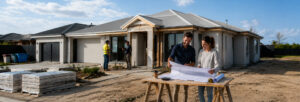
A knockdown rebuild means demolishing your existing house and building a completely new one on the same land. At first, it might sound extreme. But in many cases, it’s actually more practical than trying to fix an outdated home.
Instead of working around:
- Poor layouts
- Old structures
- Limited space
You get a clean slate.
And that’s exactly why many Australian homeowners are choosing this path, especially in established suburbs where land is valuable, but homes are outdated.
Why Knockdown Rebuild is Growing in Australia
The demand for knockdown rebuilds is rising for a simple reason: Land is valuable. Houses aren’t always.
In cities and suburbs across Australia:
- Older homes often don’t match modern living needs
- Renovations can become unpredictable and expensive
- Moving means losing location advantages
So instead of relocating, people are rebuilding smarter homes where they already live.
The Knockdown Rebuild Process in Australia (Step-by-Step)
Understanding the knockdown rebuild process in Australia is where most homeowners gain confidence.
Let’s walk through it realistically, not just the “perfect scenario.”
1. Initial Site Assessment
Before anything begins, your land is assessed. This isn’t just a formality; it determines everything. Builders check:
- Soil type (affects foundation cost)
- Slope of land
- Access for machinery
- Council zoning rules
If this step is rushed, you’ll likely face cost surprise later.
2. Choosing the Right Design
This is where many people get it wrong. You’re not just choosing a “nice-looking home,” you’re choosing something that must:
- Fit your land dimensions
- Comply with council rules
- Match your long-term lifestyle
You’ll typically choose between:
- Fixed designs (more affordable, faster)
- Custom homes (flexible but expensive)
3. Council Approvals & Permits
This process is time-consuming. The approvals may require weeks or even months, depending on:
- Local council requirements
- Planning overlays
- Design complexity
This is done on your behalf by a good builder such as Truland Homes, but time lost here is the norm unless documentation is exact.
4. Demolition Phase
After the approvals are cleared, the demolition starts. This includes:
- Disconnecting utilities
- Non-dangerous demolition of the current building.
- Clearing the site
It is fast, but should be done correctly in order to prevent environmental or legal problems.
5. Construction Phase
The actual change begins here. This stage includes:
- Slab/foundation
- Frame
- Lock-up stage
- Interior finishes
This may require 6-10 months, depending on the build.
6. Final Inspection & Handover
Once it has been built:
- Last checks are carried out.
- Compliance is verified
- You are issued keys.
And there you are in a new house on your own land.
Australia Knockdown Rebuild Cost (Realistic Breakdown)
Let us discuss numbers, as most of the decisions are made at this point. The cost of the knockdown rebuild in Australia varies, but the following is a realistic overview:
Typical Cost Range
- Demolition: $15,000 – $40,000
- New home build: $300,000 – $700,000+
- Permits & approvals: $5,000 – $15,000
- Site costs: Highly variable.
Total estimate: $350,000 to $800,000+
What Most People Underestimate
This is important. Many homeowners forget to include:
- Temporary accommodation
- Landscaping
- Driveways & fencing
- Utility reconnections
These “hidden” costs can add tens of thousands.
Smart Tip
If budget certainty matters to you, working with a fixed-price builder can reduce financial stress significantly.
Benefits of Knockdown Rebuild (Why It’s Worth It)
So why not just renovate? Because the benefits of knockdown rebuild go far beyond aesthetics.
1. Total Design Freedom
You’re not limited by old structures. You design your home for how you live today, not 20 years ago.
2. Modern Energy Efficiency
New builds are:
- Better insulated
- More energy-efficient
- Cheaper to maintain
3. Fewer Surprise
Renovations often uncover:
- Structural damage
- Outdated wiring
- Plumbing issues
Rebuilds eliminate those unknowns.
4. Higher Property Value
A new home in an established area often has stronger resale appeal.
5. Long-Term Cost Savings
Fewer repairs, less maintenance, and enhanced efficiency = time-saving.
Knockdown Rebuild vs Renovation (Honest Comparison)
This is not a decision that is always apparent.
Renovation, Good for:
- Minor upgrades
- Cosmetic improvements
- Tight budgets
However, the risks are:
- Cost blowouts
- Design limitations
- Longer timelines
Knockdown Rebuild, Better for:
- Major upgrades
- Modern layouts
- Long-term value
The thing is as follows: When you intend to make drastic changes, renovation may prove to be nearly as expensive as reconstruction, with concessions.
The most important considerations to make before starting
Think these out before you commit:
Location Value
When where you are is in high demand, it can be wiser to rebuild rather than relocate.
Budget Flexibility
Never forget to have a buffer, unforeseen expenses arise.
Timeline Reality
Approximately 8-14 months total, including approvals.
Builder Selection
This may make or break your project. Choose someone who:
- Is candid on pricing.
- Has been involved in knockdown rebuilds.
- Communicates clearly
Build Your Knockdown Rebuild with Confidence.
Go the extra mile to a modern house with Truland Homes, without moving out of your dream place.
Conclusion
A knockdown rebuild is more than just a construction project; it’s a long-term investment in your lifestyle. It takes organization, time, and a skilled contractor, but the reward can be a house that fits your needs perfectly, is constructed to current standards and in an area you already enjoy.
The trick is to go in and be informed. You are not merely constructing a house because you know the process, costs, and choices that are made. You’re building it right.
FAQ’s
What is the effect of council overlays and zoning on a knockdown rebuild in Australia?
The design, height, and demolition approval can be limited by council overlay (heritage, environmental, flood zones), making a big difference to feasibility and schedule.
Can a knockdown rebuild be financed in a different way than a standard home build?
Yes. The vast majority of lenders provide construction loans on progressive payments, although demolition expenses and approvals have to be financed at the outset.
What can I do to reduce time wastage in the knockdown rebuild process?
Select a knowledgeable builder, do the designs early, document accurately, and take the initiative to consult the council requirements before filing.